

Time to Change Your Tweezers: How to Tell When They No Longer Work Properly
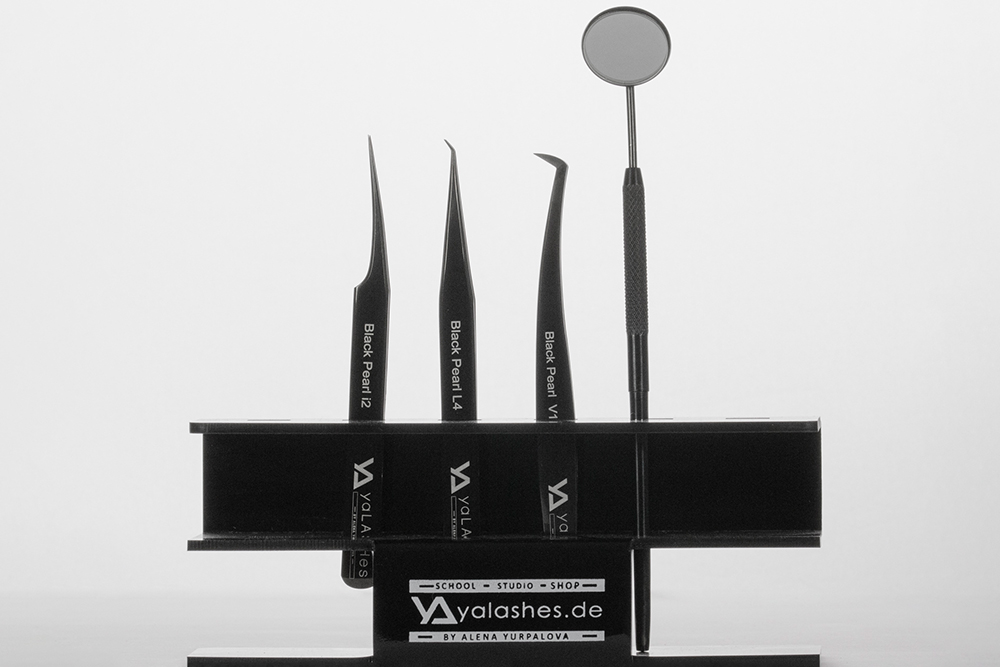
Tweezers are one of the most important tools for a lash artist. They affect precision, comfort during work, fan-making speed, and even the retention of lash extensions. But over time, even the best and most expensive tweezers begin to lose their performance. The key is recognizing the signs early enough.
When Should You Replace Your Tweezers?
Tweezers do not have an exact lifespan. Some can last for years, while others lose their functionality after only a few months. It depends on the quality of the steel, frequency of use, maintenance, and of course accidental drops.
The most important indicator is not the age of the tweezers, but how they perform during work. If the tool no longer works the way it used to, it may be time for sharpening or replacement.
How to Tell If Your Tweezers Are No Longer Working Properly
There are several signs that indicate your tweezers are no longer performing as they should.
Chips on the Working Surface
Even small chips can affect the grip. The tweezers may begin to damage lash fibers, fail to hold fans properly, or cause them to fall apart. This is especially critical when working with fine volume fans.
Bent or Dull Tips
Over time, the tips may become deformed. Sometimes the damage is barely visible, but you can immediately feel the difference while working:
- isolating the natural lash becomes more difficult,
- fans fall apart,
- placement precision decreases.
Dull tips also increase hand strain because you need to apply more pressure while working.
Poor Closure of the Working Surface
If the tweezer tips no longer close tightly, they cannot securely hold the fan. As a result:
- fans collapse,
- lashes slip out,
- treatment time increases,
- hand fatigue develops faster.
Sometimes the issue appears only in one part of the closure area — for example, the tip still grips well while the middle section no longer works properly.
Why Do Tweezers Usually Get Damaged?
The most common reason is dropping them.
Even one fall onto tile or another hard surface can:
- affect the alignment,
- damage the tips,
- change the tension and grip strength.
Sometimes the tweezers may still look perfectly fine visually, but they no longer perform correctly.
Other factors that reduce their lifespan include:
- improper storage,
- transporting them without protection,
- aggressive mechanical cleaning,
- improper disinfection.
Can Damaged Tweezers Be Restored?
Not every damaged tool needs to be replaced immediately.
If the issue is dull tips or weaker closure, professional sharpening may restore the tweezers and make them comfortable to work with again.
However, if there are major chips, serious deformation, or alignment damage after a fall, replacing the tweezers is often the safer and more practical solution.
How to Extend the Life of Your Tweezers
Create a “Soft Floor” Around Your Workspace
Even a simple soft rug or mat can protect your tools if they fall. This is especially important if you work on tile or laminate flooring.
Store Tweezers in a Protective Case
Magnetic cases or dedicated tweezer holders work best. Magnetic inserts keep the tool securely in place and prevent it from touching other tools.
Do Not Store Tweezers Loose Together
When tools are stored loosely in a drawer or cosmetic bag, the tips constantly rub against each other and wear out faster.
Keep the Working Surface Clean
Glue residue can affect the grip and create the impression that the tweezers are “broken.” Regular and careful cleaning is essential.
Why Is It Important to Replace Tweezers on Time?
Many lash artists continue working with uncomfortable or damaged tweezers for too long, trying to “get used to them.” As a result, it affects:
- working speed,
- placement quality,
- hand comfort,
- the final result.
Good tweezers are not just about comfort. They provide stable work, beautiful fans, and confidence in every movement.