

Disinfection of Reusable Silicone Pads: Correct and Safe
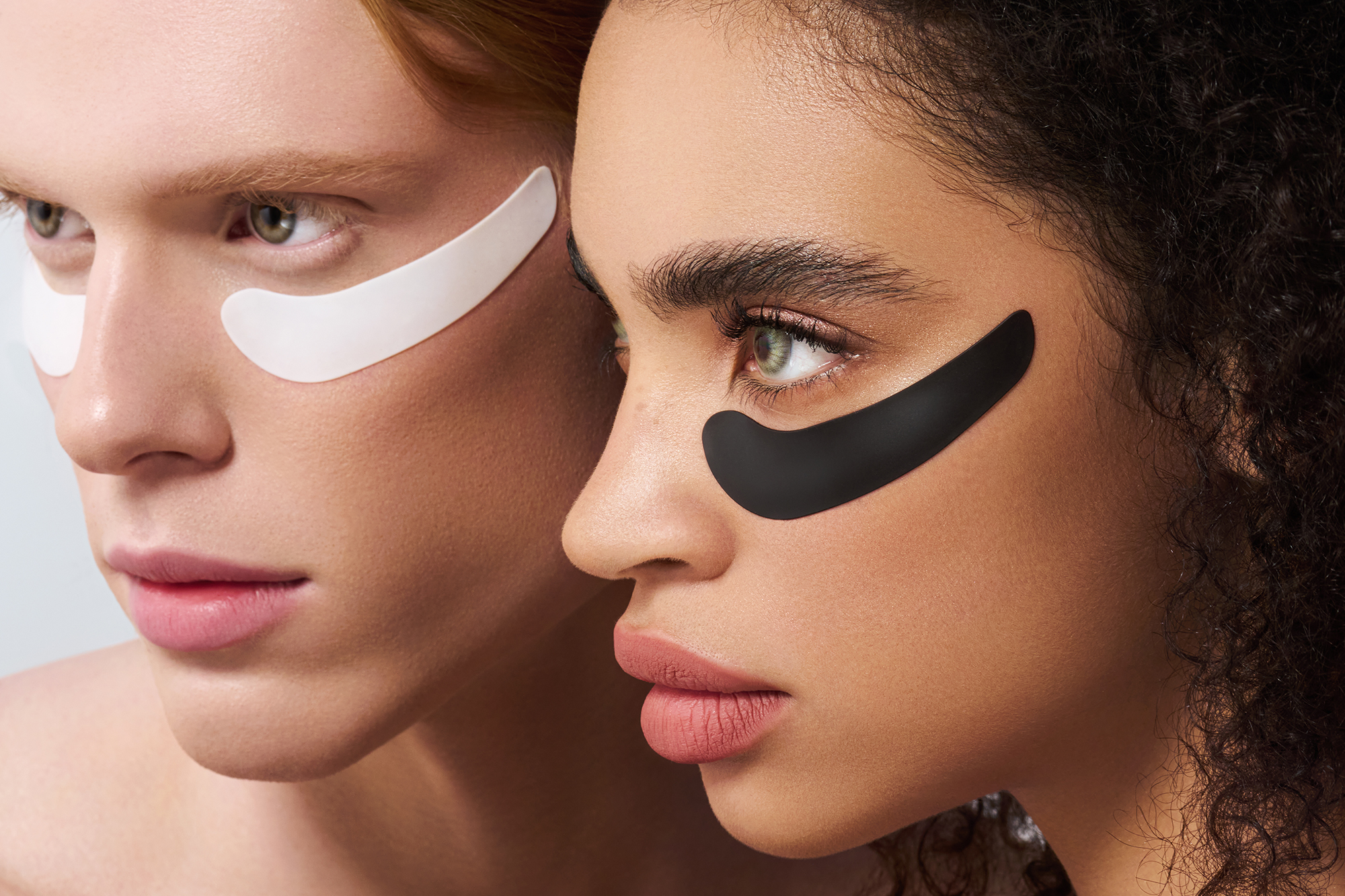
In recent years, reusable silicone pads have become a true must-have for lash artists. They are widely used both in eyelash extension procedures and lash lifting treatments.
They are convenient, cost-effective, hypoallergenic, adapt easily to any eyelid shape, and provide reliable lash isolation—especially when compared to disposable pads.
However, along with convenience comes an important professional responsibility: proper disinfection of the pads after every procedure. This directly affects client safety, comfort during the treatment, and the lifespan of the pads themselves.
What Is Disinfection?
Disinfection is a set of measures aimed at eliminating microorganisms that can cause infectious diseases.
It can be performed using:
-
physical methods (mechanical cleaning, high temperatures, ultraviolet radiation, etc.);
-
chemical methods — using specialized disinfectant solutions.
All tools and accessories that do not come into contact with blood or open wounds but do touch the client’s skin must be disinfected.
In this article, we focus on chemical disinfection, as it is the fastest, simplest, and most effective method for everyday lash artist practice.
Chemical Disinfection of Silicone Pads: Step-by-Step Guide
Step 1. Cleaning Immediately After Use
Right after the procedure, the pads must be washed with antibacterial soap. This helps remove organic residue from the surface and from the micropores of the silicone.
In most cases, three rounds of lathering followed by rinsing under running water are sufficient.
This step should be done immediately after the client to prevent glue residues, lotions, and other products from penetrating the silicone structure. It also extends the lifespan of the pads and simplifies further disinfection.
Step 2. Choosing the Container and Securing the Pads
For soaking the pads, we recommend using the InLei® BAROLO cleaning bowl with lid and sieve.
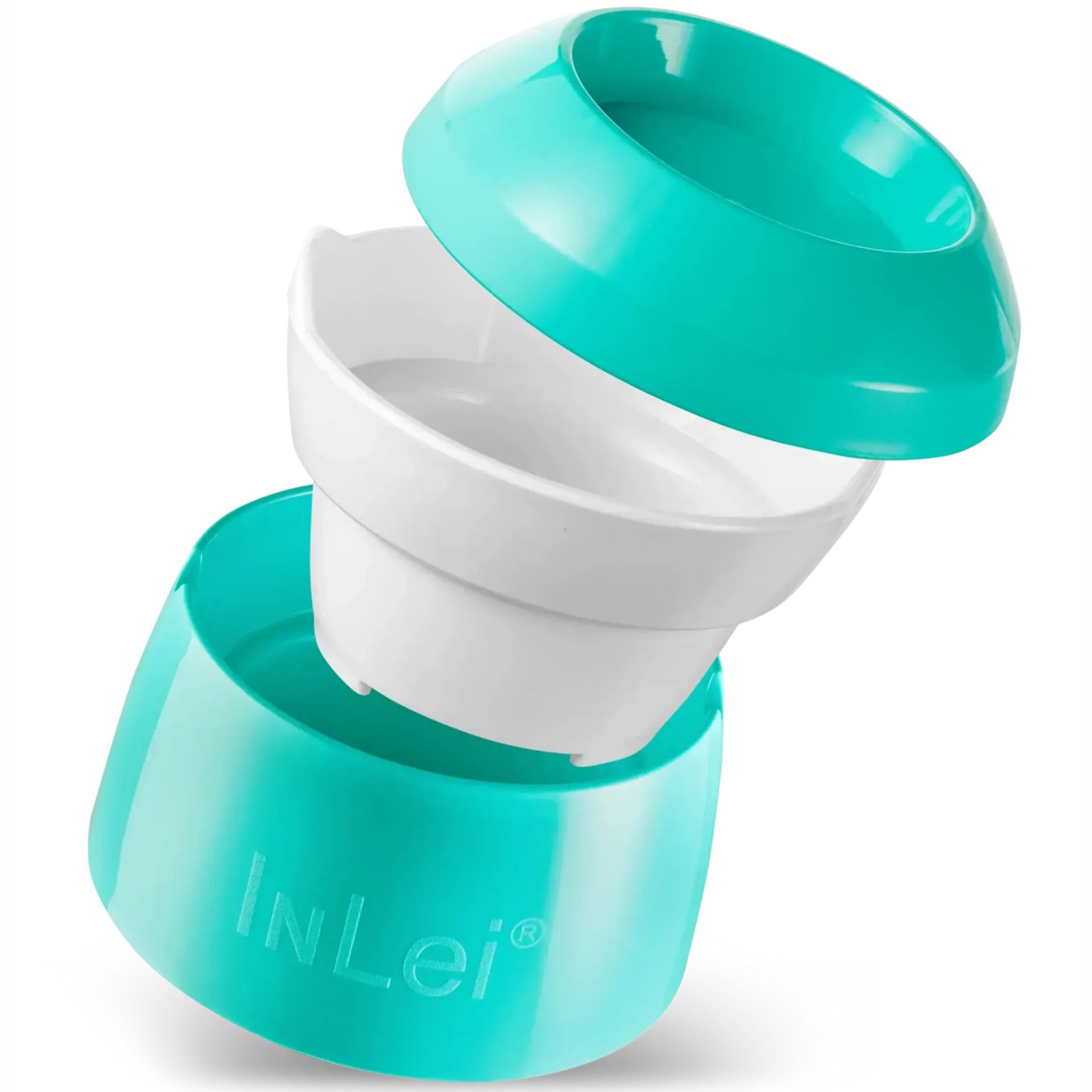
This system:
-
is made of material that is inert to disinfectants;
-
has an optimal size to prevent excessive use of solution;
-
allows the pads to be securely fixed in place.
It is essential that the pads are completely submerged in the disinfectant solution. If simply placed in the liquid, they will float. Therefore, the pads must first be pressed against the sieve and only then lowered into the solution.
Step 3. Disinfection
For chemical disinfection of silicone pads, we recommend InLei® F PLUS.
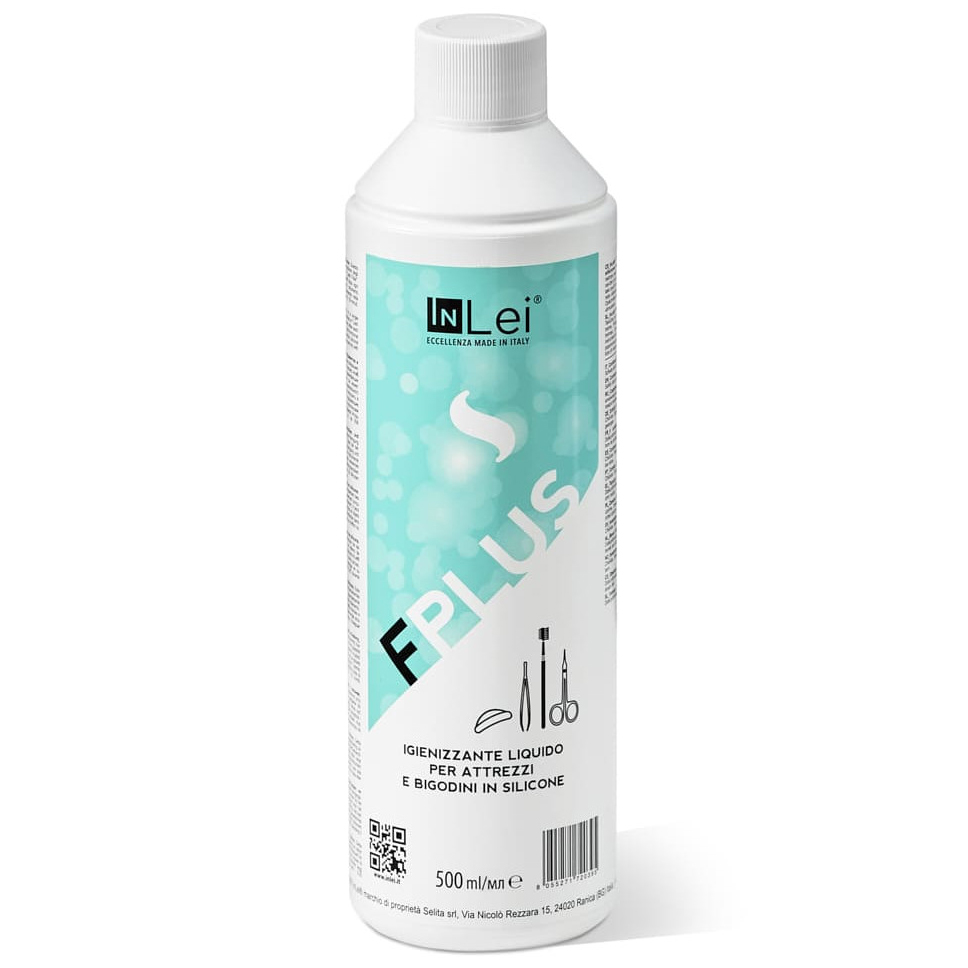
Pour the solution over the prepared pads so that they are fully covered, and leave them for 15–20 minutes.
Tip:
The more pads you disinfect at once, the more cost-effective the process becomes. Ideally, perform the cleaning step after each client and disinfect all pads together at the end of the working day.
Step 4. Rinsing
After disinfection, thoroughly rinse the pads under clean running water to completely remove any disinfectant residue.
Step 5. Drying and Storage
The pads must be completely dried using a clean cloth or disposable paper.
Store them:
-
in a clean, closed container,
-
away from direct sunlight,
-
at room temperature,
-
avoiding overheating.
The Most Common Mistakes Lash Artists Make
In practice, the same mistakes occur repeatedly:
1. Using Only Water or Soap
This is cleaning, not disinfection. Microorganisms are not eliminated.
2. Using Aggressive Chemical Agents
Silicone has a porous structure and can absorb solutions. Using unsuitable chemicals may cause skin irritation or even chemical burns.
Do not prepare solutions yourself—use only professional, skin-safe disinfectants.
Important: Do not use for disinfection:
-
alcohol or alcohol-based solutions,
-
chlorine or chlorine-containing products.
3. Storing Pads While Damp or Without a Container
Even perfectly cleaned pads quickly become unsafe under these conditions.
Conclusion
Proper disinfection of reusable silicone pads is not a formality and not an “extra step.”
It ensures:
-
client safety,
-
comfort during the procedure,
-
long-lasting pads,
-
and reflects your level of professionalism.
A client may not know how you disinfect your pads—
but they will definitely feel the result.